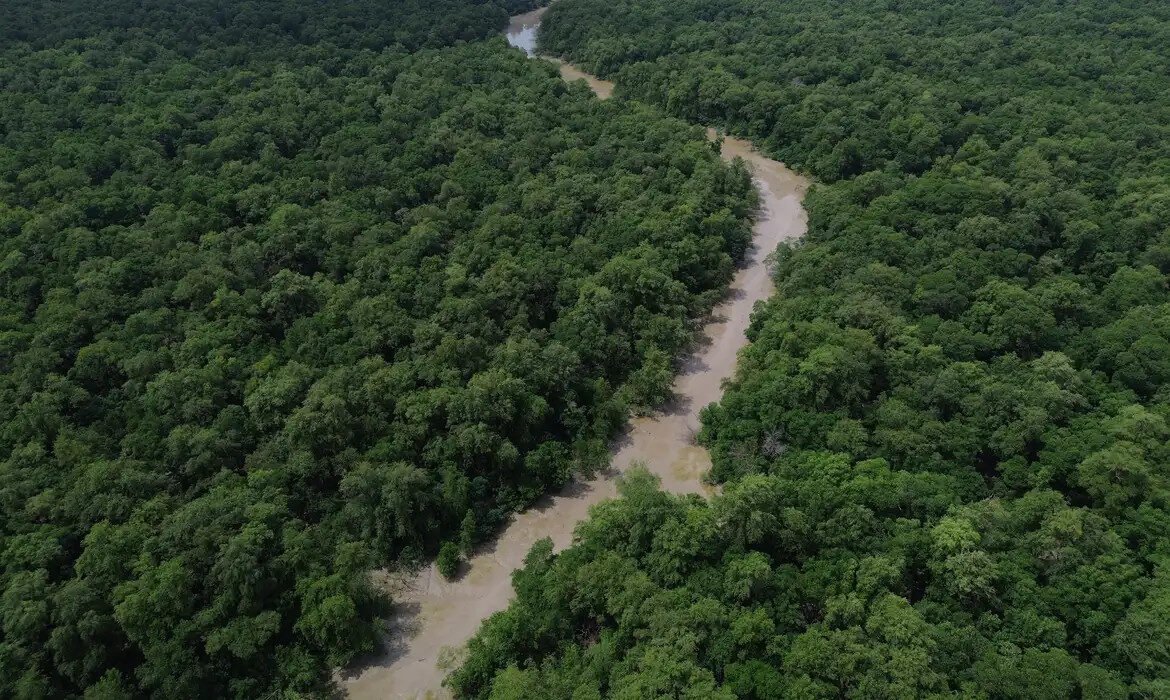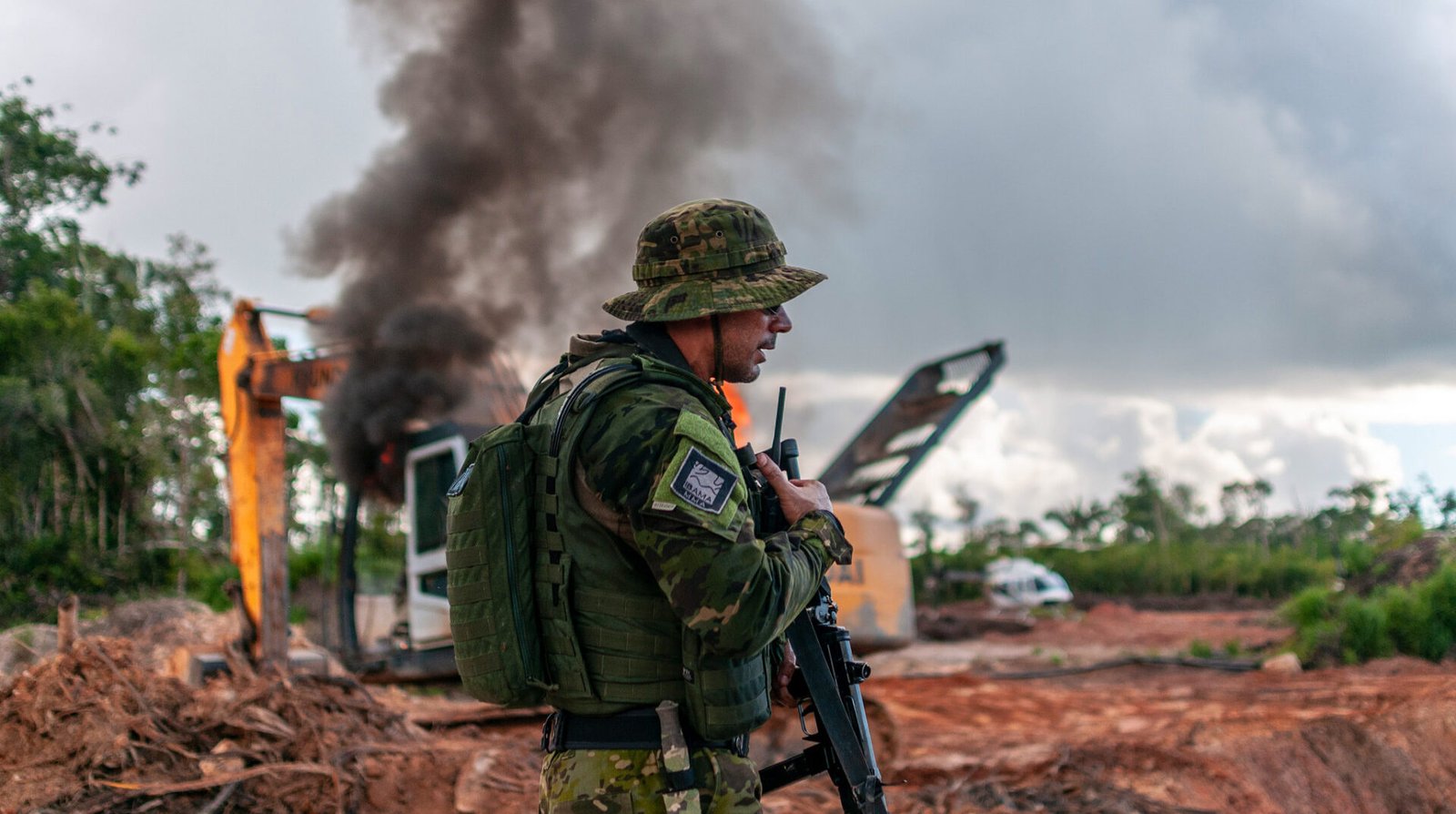
Although Brazil is recording significant advances in reducing deforestation in the Amazon and the Cerrado, a complex and growing challenge threatens the sustainability of these goals: the consolidation of organized crime within Brazilian biomes. As highlighted by a report in the newspaper O Globo, criminal factions such as the Primeiro Comando da Capital (PCC) and the Comando Vermelho (CV) have diversified their operations, integrating drug trafficking with environmental degradation activities, such as illegal mining, illegal logging, and land grabbing. This phenomenon of “criminal convergence” not only puts pressure on Indigenous Territories and conservation units, but also utilizes the forest’s logistical infrastructure to launder money and expand territorial domains.
Experts argue that effectively combating this reality requires a definitive integration between public security and environmental agendas. Melina Risso, Research Director at the Igarapé Institute and one of the experts consulted for the news report, points out that the impact of this dynamic is felt most intensely in border regions, and that logistical networks are often shared across different types of illicit activities.