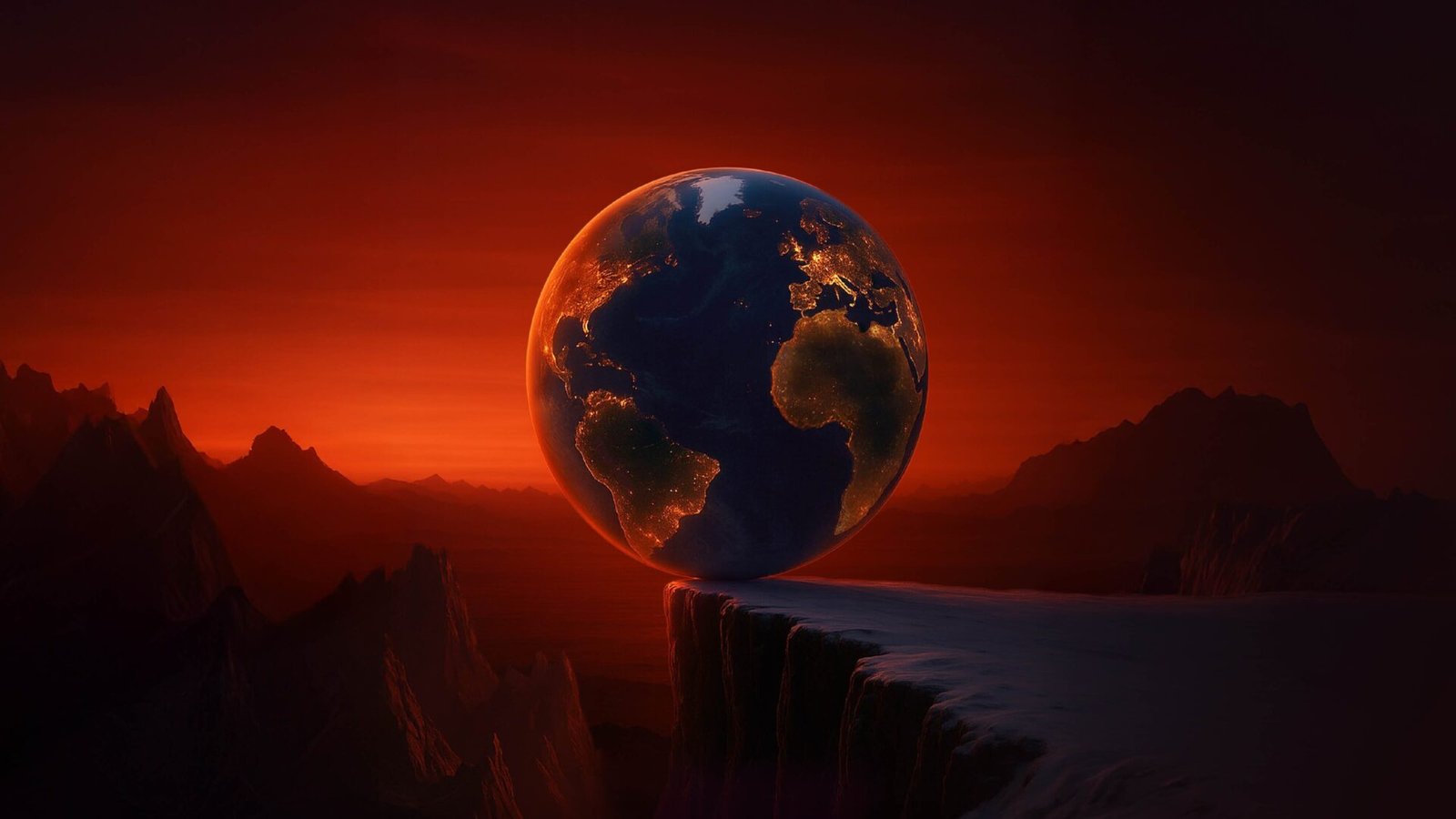
The Global Risks Report 2026, published by the World Economic Forum, reveals an increasingly pessimistic outlook among leaders and experts, with the majority predicting a scenario of instability and “storms” over the next decade. The report highlights the emergence of a new competitive order, where geoeconomic confrontation and social fragmentation hinder the multilateral cooperation needed to face systemic crises. This atmosphere of uncertainty is aggravated by technological acceleration, especially AI, and the weakening of traditional institutions in managing global turbulence in a world “on the precipice.”
In the short term, the business landscape faces what the document describes as an “economic reckoning.” Rising public debt, persistent inflation, and the possibility of asset bubbles create a high-risk environment requiring greater resilience. This economic pressure, coupled with “multipolarity without multilateralism,” forces organizations to operate in a context where economic instruments are used for strategic advantage, increasing volatility and uncertainty in trade and supply chains.
Regarding the environmental agenda, the report issues a critical warning about the “deprioritization” of environmental risks over the two-year horizon. The climate crisis continues to be perceived as the most severe threat for the next decade, with “Extreme weather events” ranked as the number one global risk and half of the top 10 long-term risks being environmental. This existential concern is reinforced by scientific evidence – 2024 was the hottest year on record, and temperatures are projected to exceed 1.5°C above pre-industrial levels within the decade, intensifying extreme weather patterns. Yet despite this overwhelming long-term consensus, economic and geopolitical urgencies are reducing the priority assigned to environmental risks in the short term.